


Tailgating vs. Piggybacking: Verständnis der versteckten Bedrohungen für die Zugriffskontrollsicherheit
2026-04-07


In modernen Zugangskontrollsystemen, Das Hauptziel ist einfach: Stellen Sie sicher, dass nur autorisierte Personen eingeschränkte Bereiche betreten. Organisationen investieren stark in Zertifikatsleser, Ausweisausweise, Biometrische Systeme, und Überwachungskameras. Jedoch, Zwei der häufigsten und unterschätzten Sicherheitslücken sind nicht technologisch bedingt—Sie sind verhaltensbedingt. Diese Bedrohungen sind bekannt als zu dichtes Auffahren und Piggybacking.
Das Verständnis der Unterschiede zwischen diesen beiden Risiken und die Umsetzung der richtigen Gegenmaßnahmen sind entscheidend, um Einrichtungen zu schützen, Mitarbeiter, Daten, und Vermögenswerte.
Was ist Tailgating?
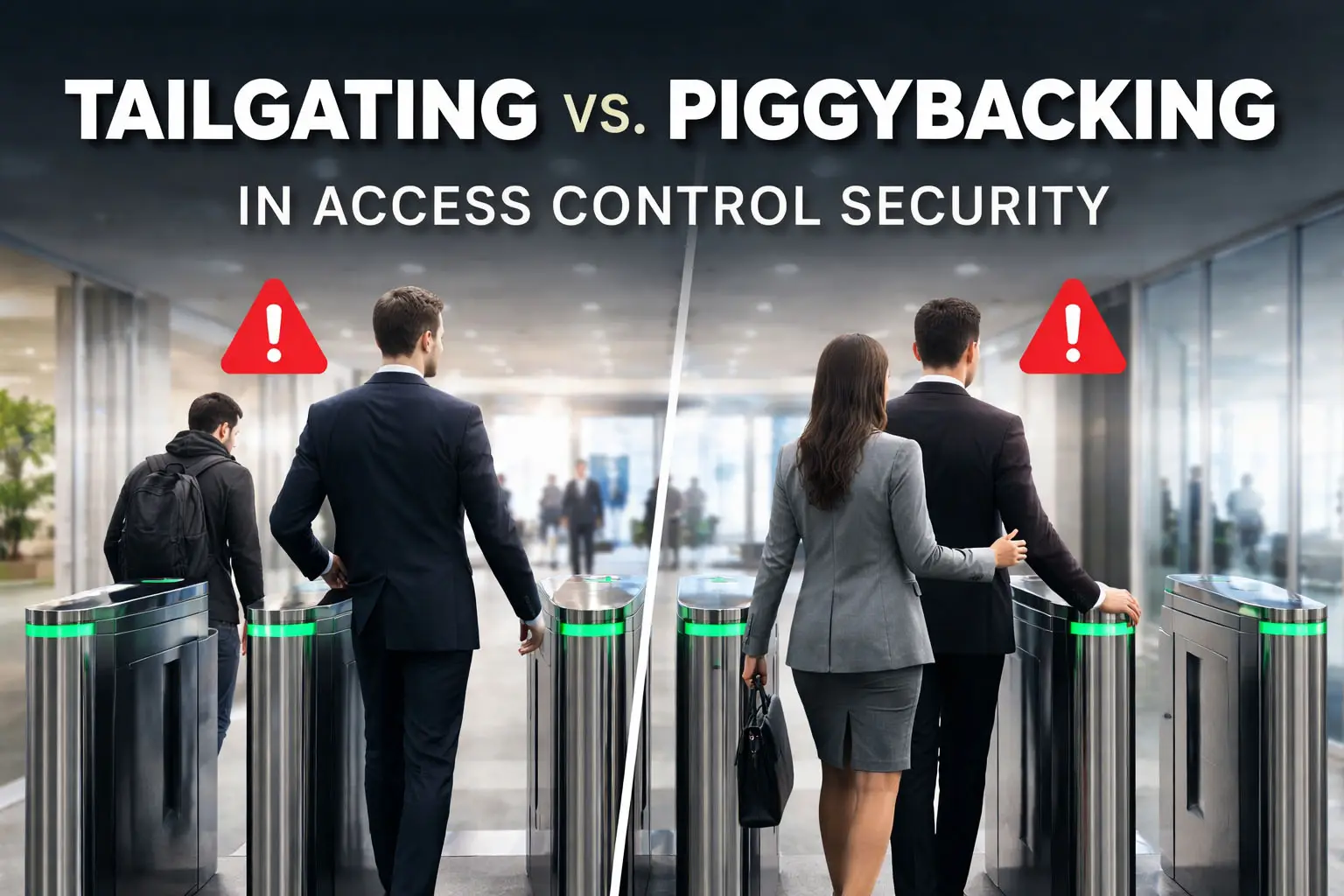
Tailgating tritt auf, wenn eine unbefugte Person dicht hinter einer autorisierten Person folgt, um Zugang zu einem gesicherten Bereich zu erhalten, ohne gültige Zugangsdaten vorzulegen.
Zum Beispiel, Ein Mitarbeiter scannt seine Zugangskarte, um eine kontrollierte Tür zu öffnen. Bevor die Tür sich schließt, Eine andere Person schlüpft schnell durch, ohne ihre eigenen Zugangsdaten zu scannen. In vielen Fällen, Der autorisierte Nutzer bemerkt möglicherweise nicht einmal, dass jemand hinter ihm eingetreten ist.
Tailgating basiert typischerweise auf Ablenkung, Unaufmerksamkeit, oder bei starken Verkehrsbedingungen. Das passiert oft in Bürogebäuden, Lagerhäuser, Rechenzentren, Produktionsstätten, und Gesundheitseinrichtungen.
Obwohl es auf den ersten Blick harmlos erscheinen mag, Tailgating kann ernsthafte Folgen haben:
- Unbefugter Zugang zu sensiblen Bereichen
- Diebstahl von Ausrüstung oder Inventar
- Datenpannen
- Gewalt am Arbeitsplatz oder Sabotage
- Verstöße gegen regulatorische Vorschriften
Weil keine Zugangsdaten verwendet werden, Das Zugangskontrollsystem hat keinen Eintrag über den unbefugten Zutritt.
Was ist Piggybacking??
Huckepack ist ähnlich wie Tailgating, Aber mit einem wichtigen Unterschied: Die bevollmächtigte Person erlaubt wissentlich jemand anderem den Zutritt.
Das passiert meist, wenn ein Mitarbeiter die Tür für jemanden aufhält, der Pakete trägt, oder wenn ein Besucher darum bittet, ohne entsprechende Genehmigung hereingelassen zu werden. Die Handlung wird oft eher von Höflichkeit oder sozialem Druck als von böswilliger Absicht getrieben.
Jedoch, Piggybacking gefährdet die Integrität der gesamten Zugangskontrollstrategie. Sobald sich eine unbefugte Person in einer gesicherten Zone befindet, Es wird extrem schwierig, ihre Bewegungen oder Absichten zu verfolgen.
Selbst gut ausgebildete Mitarbeiter können unbeabsichtigt Sicherheitslücken schaffen, wenn Bequemlichkeit das Protokoll überstimmt.
Warum traditionelle Sicherheitsmaßnahmen nicht ausreichen
Viele Einrichtungen verlassen sich auf Kartenleser, PIN-Codes, oder sogar Sicherheitskräfte, die die Eingänge verwalten. Diese Systeme sind zwar wichtig, Sie sind nicht darauf ausgelegt, mehrere Personen physisch daran zu hindern, mit einer einzigen Genehmigung einzutreten.
Hier sind die häufigsten Einschränkungen:
Zugangskarten-Aufzeichnungsdaten, Nicht die Zahl der Köpfe.
Wenn zwei Personen bei einem gültigen Scan eintreten, Das System protokolliert nur ein Ereignis.
Sicherheitspersonal kann nicht jede Tür kontinuierlich überwachen.
Stark frequentierte Umgebungen erschweren die Erkennung subtiler Verstöße.
Videoüberwachung ist reaktiv, nicht vorbeugend.
Kameras können das Ereignis aufnehmen, Aber sie verhindern es nicht physisch.
Infolgedessen, Organisationen entdecken häufig Verstöße, nachdem bereits Schäden entstanden sind.
Das eigentliche Risiko: Menschliches Verhalten
Sowohl Tailgating als auch Piggybacking nutzen die menschliche Psychologie eher als technologische Schwächen aus.
Menschen halten von Natur aus Türen für andere offen. Mitarbeiter zögern vielleicht, jemanden herauszufordern, der selbstbewusst oder vertraut wirkt. In geschäftigen Umgebungen, Individuen konzentrieren sich auf Effizienz statt auf Protokoll.
Deshalb erfordert die Lösung des Problems mehr als nur politische Maßnahmen—Es erfordert physische und technologische Verstärkung.
Effektive Strategien zur Verhinderung von Tailgating und Piggybacking
Ein umfassender Ansatz kombiniert physische Barrieren, Intelligente Detektionssysteme, und Mitarbeiterbewusstsein.
1. Ein-Personen-Eintritt durchsetzen
Die effektivste Präventionsmethode ist die Installation von Drehkreuzsystemen oder Geschwindigkeitstoren, die pro Autorisierung nur eine Person zulassen.
Durch die Steuerung der Spurbreite und der Gate-Timing, Diese Systeme stellen sicher, dass jede Person vor der Einreise gültige Zugangsdaten vorlegen muss. Physische Barrieren eliminieren die Möglichkeit, "durchzuschleichen"” hinter jemand anderem.
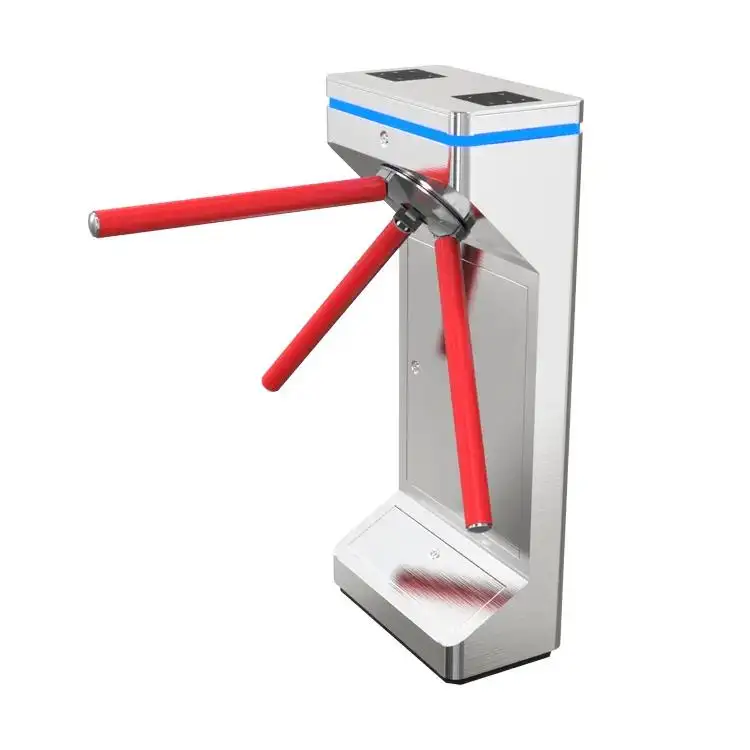
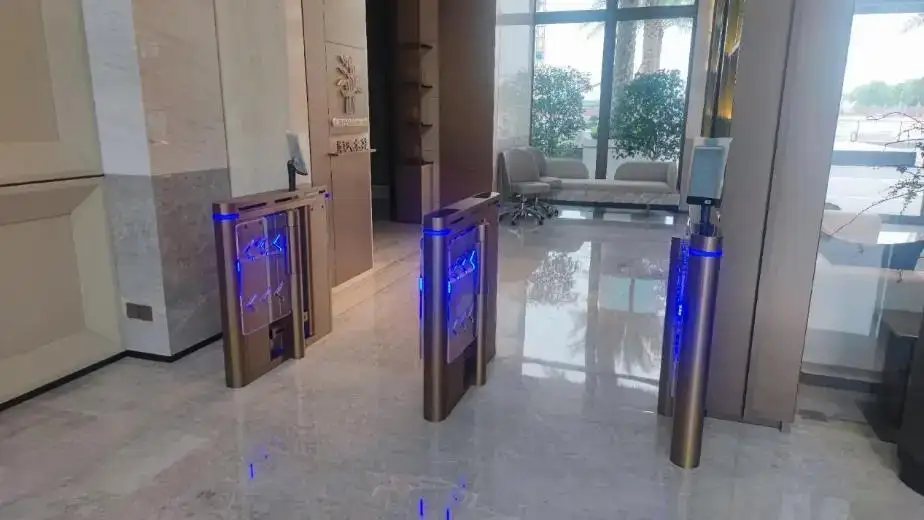
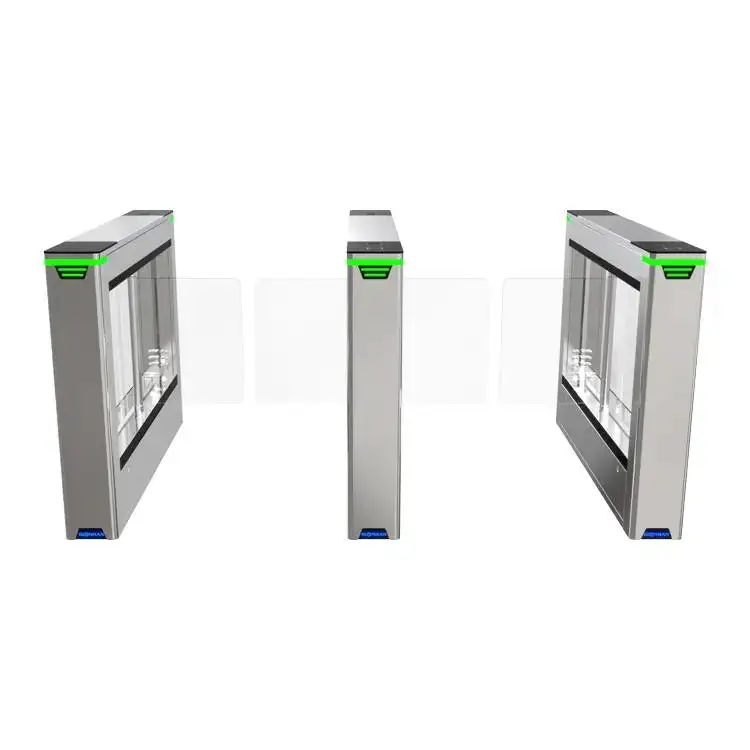
Vollhohe Drehkreuze bieten maximale Sicherheit in risikoreichen Umgebungen wie Rechenzentren und Industrieanlagen. Optische Speed Gates sind ideal für Unternehmenslobbys, bei denen Ästhetik und Durchsatz wichtig sind.
2. Integration der Multi-Faktor-Authentifizierung
Kombination von Ausgangskarten mit biometrischen Daten—wie Fingerabdruck- oder Gesichtserkennung—fügt eine weitere Schutzschicht hinzu.
Auch wenn jemand versucht, einem autorisierten Nutzer zu folgen, Sie können den zweiten Verifizierungsschritt ohne gültige Qualifikationen nicht bestehen.
Multi-Faktor-Systeme reduzieren interne Sicherheitsbedrohungen erheblich und verbessern die Rückverfolgbarkeit der Prüfungen.
3. Setzen Sie Anti-Tailgating-Sensoren ein
Fortschrittliche Zufahrtswege können Infrarotsensoren enthalten, Gewichtserkennungssysteme, oder KI-gestützte Personenzähltechnologie.
Wenn mehrere Körper versuchen, sich während eines einzigen Autorisierungszyklus zu begegnen, Das System löst Alarme aus, schließt das Tor ab, oder benachrichtigt das Sicherheitspersonal sofort.
Die Echtzeiterkennung transformiert die Sicherheit von reaktiv zu proaktiv.
4. Festlegen von Clear-Access-Richtlinien
Technologie muss durch die Durchsetzung von Richtlinien unterstützt werden. Organisationen sollten:
- Trainieren Sie die Mitarbeiter, Türen nicht offen zu halten
- Ermutigen Sie das Personal, unbekannte Personen herauszufordern
- Besucherausweise mit Zugangsrechten ausstellen
- Durchführung periodischer Sicherheitsprüfungen
Klare Kommunikation reduziert Schwachstellen bei Social Engineering.
5. Verwenden Sie Security Layering
Keine einzelne Lösung ist ausreichend. Ein geschichtetes Sicherheitsmodell kombiniert:
- Physische Drehkreuze oder Tore
- Authentifizierung der Zugangsdaten
- Überwachung
- Vor-Ort-Sicherheitsreaktion
Dieser integrierte Ansatz stellt sicher, dass eine Schicht getestet wird, andere sind weiterhin aktiv.
Wie Ironman-Drehkreuzlösungen die Zugangskontrolle stärken
Bei Ironman Turnstile, Die Zugangskontrolle ist mit Blick auf Prävention konzipiert.
Unsere Lösungen sind darauf ausgelegt, die Schwachstellen zu beseitigen, die Tailgating und Piggybacking ermöglichen.
Präzise einspurige Steuerung
Geschwindigkeitsschranken und Schwingbarrieren regulieren den Fußgängerfluss und sorgen gleichzeitig für einen reibungslosen Durchfluss. Verstellbare Spurbreiten und intelligente Torzeitmessung verhindern unbefugte Nachverfolgung.
Hochsicherheits-Drehkreuze in voller Höhe
Für kritische Infrastrukturen und industrielle Anwendungen, Drehkreuze in voller Höhe schaffen eine sichere physische Barriere, die ohne Genehmigung nicht umgangen werden kann.
Nahtlose Systemintegration
Unsere Systeme integrieren sich mit:
- RFID-Kartenleser
- Biometrische Authentifizierungsgeräte
- QR-Code-Zugangssysteme
- Gesichtserkennungsplattformen
Dies ermöglicht es Organisationen, Multi-Faktor-Sicherheit umzusetzen, ohne die operative Effizienz zu beeinträchtigen.
Echtzeitüberwachung und Warnungen
Anti-Tailgating-Erkennungsfunktionen können Warnungen auslösen, wenn ungewöhnliche Eintrittsmuster auftreten. Die Integration mit zentralen Managementsystemen gewährleistet vollständige Transparenz über alle Zugangspunkte hinweg.
Die richtige Lösung für Ihre Einrichtung auswählen
Jede Einrichtung hat unterschiedliche Verkehrsmuster und Sicherheitsanforderungen.
Firmenbüros legen möglicherweise Wert auf Ästhetik und reibungslosen Ablauf.
Produktionsstätten benötigen möglicherweise robuste Ausrüstung.
Rechenzentren verlangen eine strenge Einzelpersonenverifizierung.
Verkehrsknotenpunkte benötigen einen hohen Durchsatz, ohne die Sicherheit zu beeinträchtigen.
Die richtige Kombination aus Hardware und Software auszuwählen, ist entscheidend, um Bequemlichkeit und Sicherheit auszubalancieren.
Abschluss
Tailgating und Piggybacking sind keine geringfügigen Verstöße gegen die Richtlinien—Sie sind ernsthafte Bedrohungen für Zugangskontrollen, die Organisationen Diebstahl aussetzen können, Haftung, und betriebliche Störungen.
Weil diese Schwachstellen menschliches Verhalten ausnutzen, Sich ausschließlich auf Zugangsdaten und Überwachung zu verlassen, reicht nicht aus.
Lösungen für physische Zugangskontrolle—kombiniert mit intelligenter Erkennung und klarer Durchsetzung von Richtlinien—sind die zuverlässigste Methode, um unbefugtes Eindringen zu beseitigen.
Durch die Implementierung sicherer Drehkreuzsysteme und geschichteter Authentifizierungsstrategien, Organisationen können von passiver Überwachung zu aktiver Prävention übergehen.
Wenn Ihre Einrichtung Möglichkeiten prüft, die Einreisekontrolle zu stärken und unbefugte Zugangsrisiken zu beseitigen., Ironman Turnstile bietet entwickelte Lösungen für moderne Sicherheitsumgebungen.
