


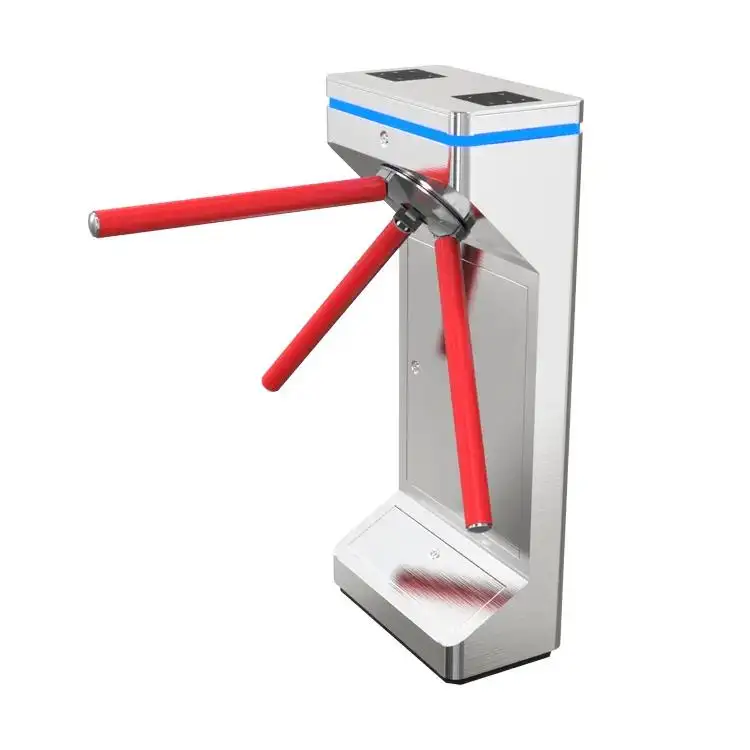
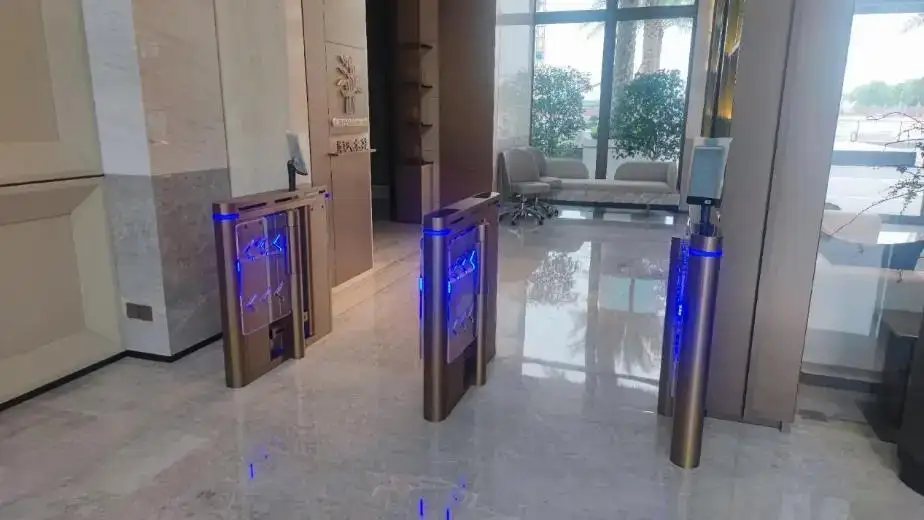
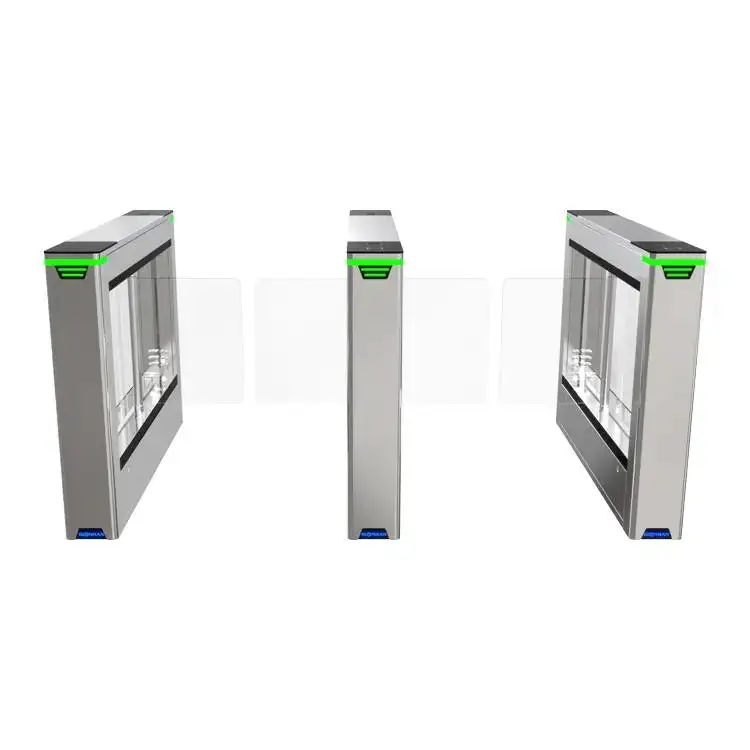
Swing Barrier Gate: Arten, Brille, Anwendungsfälle, und Wie man richtig wählt
2026-03-17


Ein Drehgitter ist eine der flexibelsten und ästhetisch vielseitigsten Zugangskontrollbarrieren – und die bevorzugte Lösung für Einrichtungen, die breitspurige Barrieren benötigen, Sauberes, modernes Design, oder ADA-konformen Fußgängerzugang entlang der Standard-Drehkreuzspuren. Egal, ob Sie einen einzigen Eingang in der Lobby oder einen mehrspurigen Campus-Checkpoint festlegen, Verständnis der Typen, Technische Daten, Und die Unterschiede in Anwendungsfällen unterscheiden eine gute Installation von einer, die jahrelang Probleme verursacht.
Dieser Leitfaden behandelt alles von Arbeitsprinzipien und Klassifikationen bis hin zu spezifischen Produktvarianten und einem klaren Auswahlrahmen.
Was ist ein Swing Barrier Gate?
Ein Drehgitter ist ein Fußgänger-Zugangskontrollsystem, bei dem die Sperrbarriere – eine flache Platte aus gehärtetem Glas – eine flache Platte aus gehärtetem Glas – ist, Edelstahl, oder Acryl — schwingt senkrecht zur Bahn, wenn eine gültige Qualifikation vorgelegt wird, offen, dann schwingt er nach dem Durchgang wieder in die geschlossene und verriegelte Position zurück.
Die Schwingbewegung umfasst einen ±90°-Bogen. In der gesperrten Position, Das Panel blockiert die Fahrspur vollständig. Zur Genehmigung der Qualifikation, Der Motor treibt das Panel in 0,3–0,5 Sekunden an, sodass es sich öffnet. Nachdem die Person vorbeigegangen ist – erkannt vom Infrarotsensorarray – schwingt das Panel zurück und verriegelt.
Der entscheidende operative Unterschied zu einem Klappendrehkreuz ist die Bewegungsrichtung des Panels. Ein Klappendrehkreuz zieht die Paneele zurückin Der Kabinettskörper. Ein Schwing-Barriere-Tor schwingt das PanelNach außen entlang eines Bogens. Das bedeutet, dass das Drehgitter viel größere Fahrbahnöffnungen aufnehmen kann – typischerweise 550 mm bis 1.500 mm – und somit die natürliche Wahl für den Rollstuhlzugang ist, Gepäckwagen, Fahrräder, und breitspurige Premium-Einstiegspunkte.
Wie ein Swing Barrier Gate funktioniert
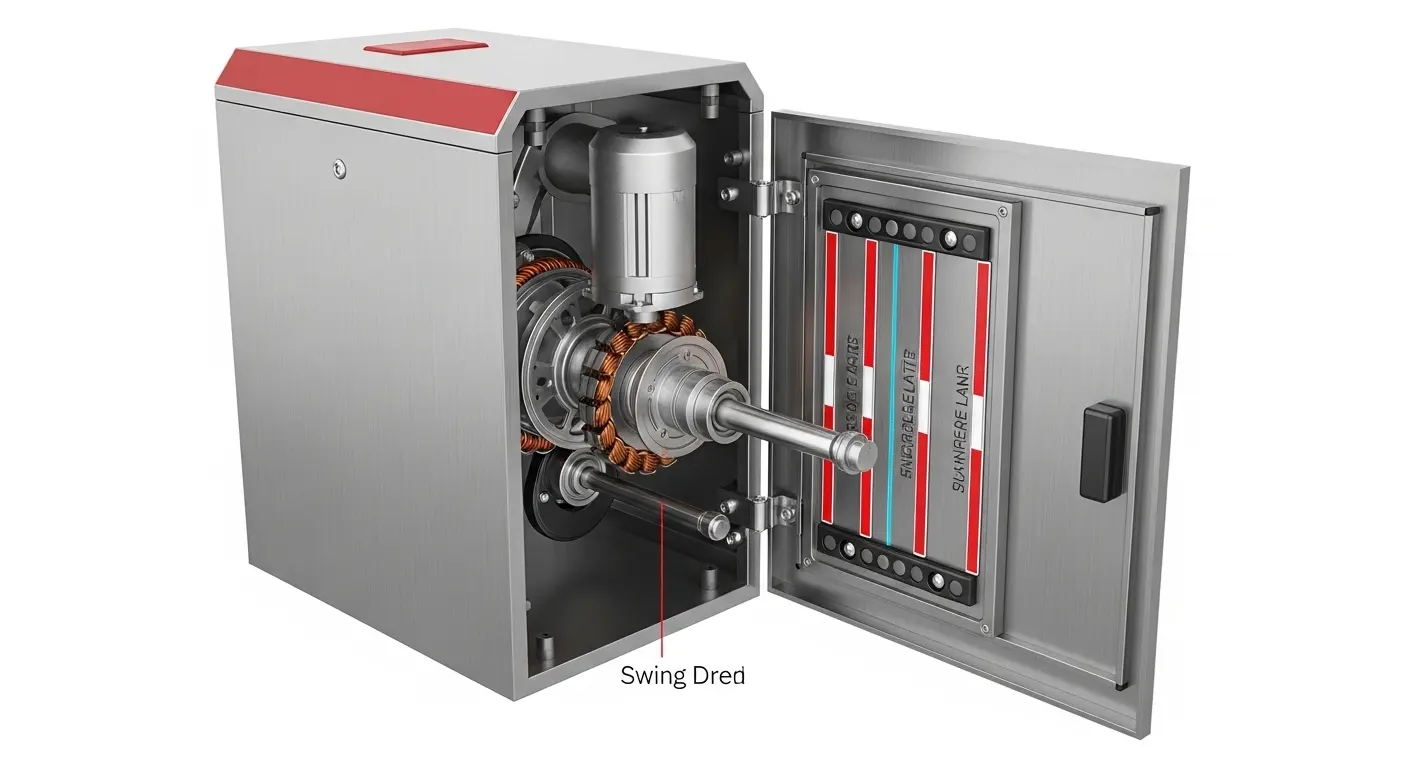
Die Betriebsabfolge läuft wie folgt ab. Ein Nutzer legt eine Zugangsdaten vor – eine RFID-Karte, QR-Code, Fingerabdruck, oder Gesicht – für den Leser, der in das Tor integriert oder neben dem Tor montiert ist.. Der Leser validiert es und sendet ein Trockenkontakt- oder RS485-Signal an die Steuerplatine des Swing Barrier Gate. Der bürstenlose Motor treibt das Barrierepanel an, damit es aufschwingt.
Mehrere Infrarotsensorpaare – typischerweise 6–12 Paare in kommerziellen Modellen – überwachen die Durchgangszone während des gesamten Zyklus. Sie erfüllen drei Funktionen:
- Durchgangsdetektion: Bestätigen Sie, dass eine Person die Spur verlassen hat, bevor Sie das Wiederschließen auslösen
- Anti-Tailgating-Erkennung: Alarmieren, wenn eine zweite Person eintritt, bevor das Panel wieder geschlossen wird
- Anti-Klemmschutz: Stoppen und umkehren Sie das Panel sofort, wenn beim Schließen ein Hindernis festgestellt wird – Kraft auf Kontakt unter 2 kg gehalten
Über Stromausfall, Das Swing Barrier Gate schaltet standardmäßig auf den Fail-Safe-Modus – die Paneele öffnen sich automatisch, um eine uneingeschränkte Evakuierung zu ermöglichen, in den meisten Märkten in den Übereinstimmung mit Brandschutzbauvorschriften.
Arten von Swing Barrier Gate
Nicht jedes Swing-Barrier-Tor passt zu jeder Umgebung. So gliedern sich die Hauptvarianten auf und wo jede hineinpasst.
Standard-Swing Barrier Gate
Die kommerzielle Basiskonfiguration. SUS304 Edelstahlgehäuse, 550–900 mm Spurbreite, Bürstenloser Gleichstrommotor, und Infrarot-Mehrstrahl-Erkennung. Für Unternehmenslobbys, Coworking-Spaces, und Verkehrsumgebungen, dieSchwenkbarrierentor deckt alle Kernanforderungen ab – breit genug für zugänglichen Passagen, Schnell genug für stark frequentierte Umgebungen, und im Aussehen sauber genug für Premium-Innenräume.
Anti-Kletter-Schwenkbarrieren-Tor
Standard-Schwingbarrieren blockieren den seitlichen Durchgang durch die Fahrbahnöffnung. Aber, Die Panelhöhe eines Standardmodells erreicht typischerweise 900–1.200 mm – was eine physische Lücke über dem Panel hinterlässt, die eine entschlossene Person erklimmen könnte. EinAnti-Steig-Schwenkbarriere-Tor erhöht die Höhe des Barrierepaneels auf 1.800 mm oder mehr, Die Überstiegslücke wird beseitigt, ohne das Boden-zu-Decken-Profil eines vollhohen Drehkreuzes zu übernehmen. Infolgedessen, Es ist die richtige Lösung für mittlere bis hohe Sicherheitsumgebungen, in denen physische Bypass-Verhinderung wichtig ist, aber Hardware in voller Höhe nicht gerechtfertigt ist.
Biometrisches Anti-Kletter-Drehkreuz
Für Einsätze, bei denen sowohl physische Kletterschutzmaßnahmen als auch Identitätsverifizierung auf Berechtigungsebene erforderlich sind, aBiometrisches Anti-Kletter-Drehkreuz Kombiniert ein Panel mit erweiterter Höhe und einem integrierten Fingerabdruck- oder Gesichtserkennungsleser. Diese Konfiguration eignet sich gut für Rechenzentren, Finanzinstitute, Staatliche Sperrzonen, und pharmazeutische Einrichtungen – Umgebungen, in denen das Teilen von Ausweisen oder das Tailgating an einem Einstieg ein direktes Compliance-Risiko darstellt.
Edelstahl-Schwenksperrtor
Die Materialqualität hat einen direkten Einfluss auf die Lebensdauer in anspruchsvollen Umgebungen. AEdelstahl-Schwenksperrtor aus SUS304 gefertigter Vollschweißkonstruktion bietet messbar eine bessere Widerstandsfähigkeit gegen Oberflächenverschleiß, Tägliche Aufpralllasten, und Reinigungschemie im Vergleich zu pulverbeschichteten Alternativen aus Weichstahl. Für gewerbliche Umgebungen mit viel Kontakt – Hotellobbys, Fitnessstudios, Krankenhauseingänge – Die SUS304-Beschichtung behält ihr Aussehen auch über Jahre der Nutzung ohne Oberflächenbehandlungs-Erneuerung bei..
Schwenkbarriere mit Kartenleser
Für Einrichtungen, die einen Ausgangsleser direkt in den Schrank integrieren müssen – statt auf einem separaten Sockel zu montieren – eineSchwenkbarrieretor mit Kartenleser sorgt für eine saubere, Einheitsinstallation. Der Leser ist ab Werk auf der richtigen ergonomischen Höhe am Gehäuse angebracht, vorverdrahtet an die Steuerplatine, und mit der Spur für natürliche Tap-Positionierung ausgerichtet – wodurch die zusätzliche Hardware- und Verdrahtungskomplexität eines separaten Lesepodests entfällt.
Kompaktes Drehkreuz mit Schwenktoren
Standard-Drehschrank-Schranken sind 1.200–1.500 mm lang. Für Einrichtungen mit begrenzter Bodenfläche – sekundäre Personaleingänge, Aufzugslobby-Kontrollpunkte, Zugangspunkte mit schmalen Korridoren – einKompaktes Drehkreuz mit Drehtoren Verringert den Schrankplatz, ohne die Panelbreite zu beeinträchtigen, Sensorabdeckung, oder motorische Leistung. Dadurch ist es möglich, eine voll funktionsfähige Schwingbarriere in Räumen zu installieren, in die ein Standardschrank physisch nicht passt.
Bürstenlose Motorschwingbarriere: Warum der Antriebsmechanismus wichtig ist
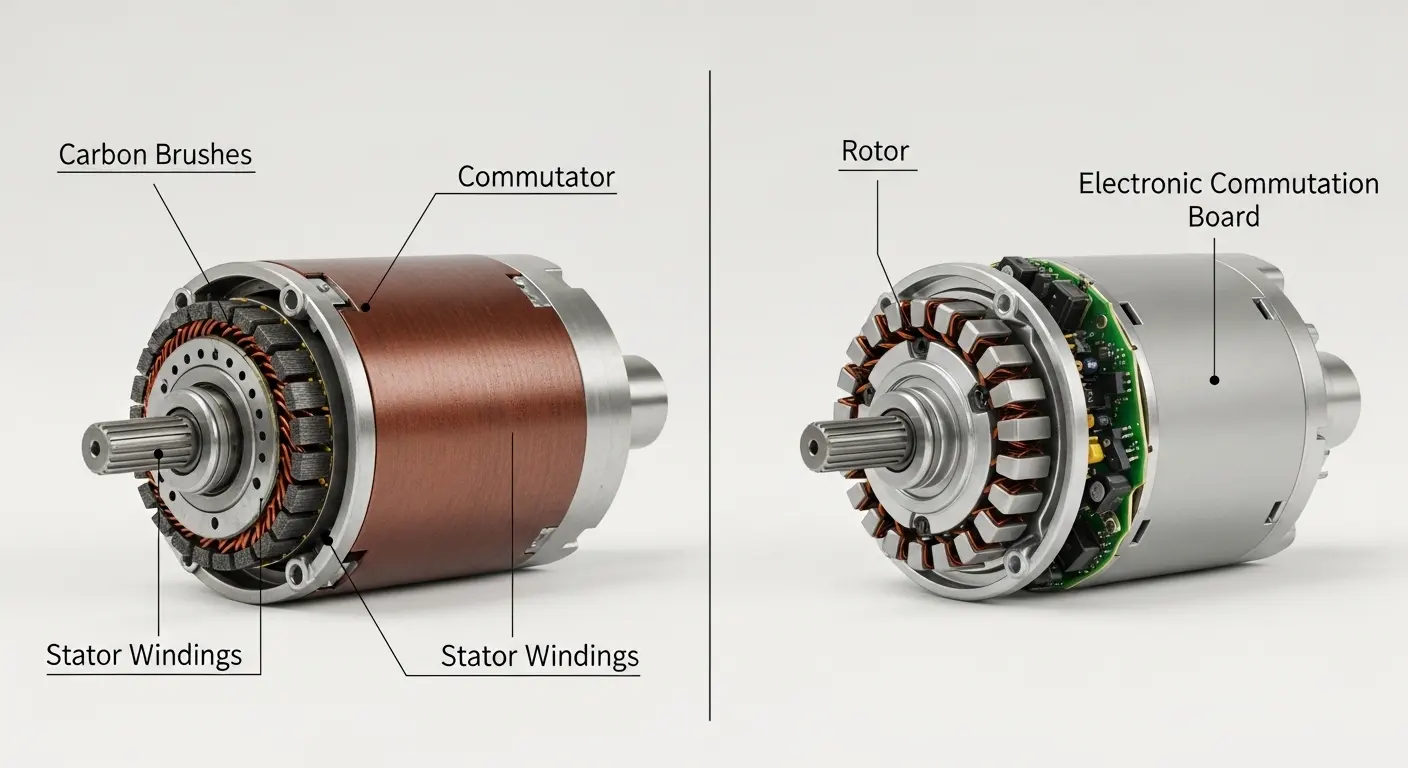
Der Motor in einem Swing Barrier Gate ist die Komponente, die die Lebensdauer des Zyklus bestimmt, Lärmpegel, und die Langzeitwartungshäufigkeit – nicht das Gehäusematerial oder das Paneldesign. Dies ist die wichtigste Spezifikation, die die meisten Käufer übersehen.
Ein Standard-Gleichstrommotor nutzt Kohlebürsten, um Strom an den rotierenden Anker zu übertragen. Diese Bürsten nutzen sich mit der Zeit ab – typischerweise müssen sie bei 500.000–1 Millionen Zyklen ausgetauscht werden. Abürstenlose Motorschwingbarriere beseitigt den Bürstenkontakt vollständig. Der Motor verwendet stattdessen elektronische Kommutation, was erzeugt:
- Längere Zykluszeit: 3–5 Millionen Zyklen vs. 500K–1M für gebürstete Gleichstrom
- Geringeres Rauschen: Keine Reibung beim Bürstenkontakt – wichtig für Hotellobbys, Bibliotheken, und ruhige Büroumgebungen
- Weniger Wärmeentwicklung: Eine kühlere Betriebstemperatur verlängert die Lebensdauer von Steuerplatine und Motor
- Kein geplanter Bürstenaustausch: Reduziert die Wartungskosten über die Lebensdauer des Gates
Für Einrichtungen, die ein Schwenkschranktor über ein tägliches Betriebsfenster von 12–16 Stunden betreiben – Verkehrsstationen, konzernzentrale, Krankenhäuser – Der bürstenlose Motor zahlt seinen Preisaufschlag durch weniger Wartungsarbeiten und längere Serviceintervalle zurück..
Bidirektionales Schwenktor: Ein- und Austritt durch eine Einheit
Für Anlagen, bei denen getrennte Ein- und Ausfahrtsspuren aufgrund von Platzmangel nicht möglich sind, abidirektionales Schwenktor verwaltet beide Durchgangsrichtungen durch denselben Schrank. Die Steuerplatine übernimmt die Richtungslogik – es wird gelesen, ob der Zugang von der Ein- oder Ausgangsseite präsentiert wird, und löst entsprechend die entsprechende Schwingrichtung aus.
Außerdem, Bidirektionale Modelle tragen unabhängige Infrarotsensorarrays für beide Fahrtrichtungen, Deshalb funktionieren Anti-Tailgating-Erkennung und Anti-Klemmschutz in beide Richtungen korrekt. Diese Anordnung eignet sich für Sekundärgebäudeeingänge, Nur für das Personal zugängliche Korridore, und jedem Zugangspunkt, bei dem einspurige Hardware sowohl den Ein- als auch den Ausgang abdeckt.
Für Einrichtungen, die Geschwindigkeit neben der Zugangskontrolle der Schwingbarriere benötigen – zum Beispiel ein Premium-Flughafenterminal oder eine Lobby des Regierungsministeriums – eineFußgänger-Geschwindigkeitstor stellt die Alternative mit höherer Durchsatz dar, Verarbeitung von 50–80 Personen pro Minute mit Glasflächenästhetik, die das Schwenkbarriere-Tor in benachbarten ADA-Spuren ergänzen.
Swing Barrier Gate vs. Klappen-Drehkreuz: Welches brauchst du eigentlich?
Dies ist der häufigste Vergleich, den Käufer anstellen, bevor sie ein Fußgängerzugangssystem festlegen. Hier ist eine ehrliche Zusammenfassung:
| Merkmal | Swing Barrier Gate | Klappen-Drehkreuz |
|---|---|---|
| Fahrbahnbreite | 550–1.500 mm (verstellbar) | 550–900mm |
| ADA-Konformität | Natürliche Passform (Breite Bahn) | Erfordert ein Extended Lane-Modell |
| Erscheinungsplastizität | Hoch (Glas, Acryl, Stahl) | Standardisierter |
| Durchsatz | 30–40 ppm | 35–60 ppm |
| Anti-Tailgating | Gut (6–12 Sensorpaare) | Stark (6–12 Paare) |
| Outdoor-Fähigkeit | Einige Modelle IP54 | Meistens Innen-IP4X |
| Am besten für | Lobbys, ADA-Fahrspuren, Großer Zugang | Transit, Büros, Hochdurchsatz |
| Kosten | Mittelklasse | Mittelklasse |
Die Kernentscheidung ist die Kanalbreite. Wenn Ihre Einrichtung eine Fahrspur von über 900 mm benötigt – für Rollstühle, Gepäckwagen, Fahrräder, oder Güterwagen – ein Schwingtor ist die richtige Wahl. Wenn Ihre Priorität der maximale Durchsatz in einer normalen 550-mm-Fußgängerspur ist, Ein Klappen-Drehkreuz übertrifft es.
Für die meisten mehrspurigen Installationen, Beide Typen existieren nebeneinander: Klappendrehkreuze bedienen die Hauptfußgängerwege mit 40–60 ppm, mit einer Swing-Barrier-Gate-Spur, die ADA-konformen breiten Zugang neben ihnen bietet.
Wo Swing Barrier Gates eingesetzt werden
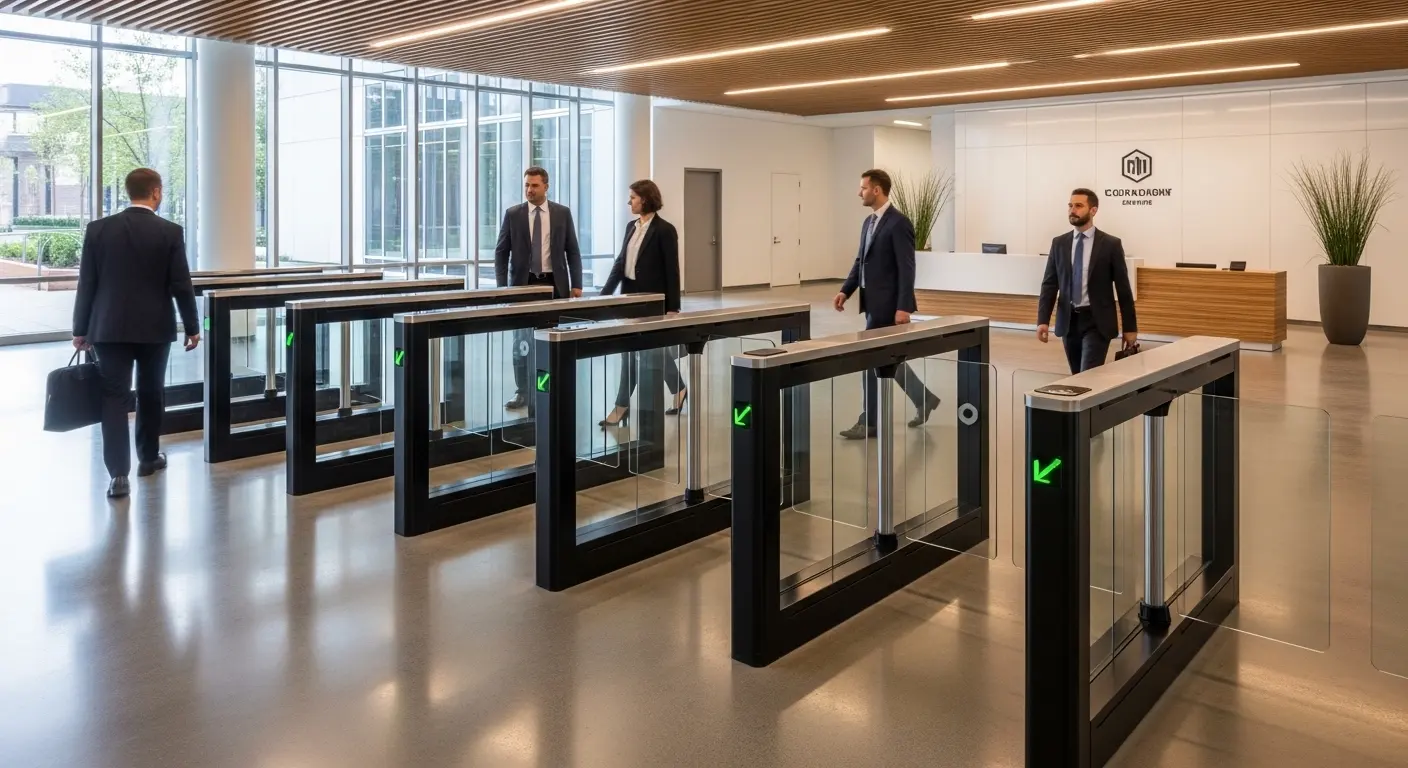
Ein Swing-Barrier-Tor eignet sich fast für jede Innen- oder Halb-Außenumgebung mit breiten Spuren, Eine ästhetisch saubere Zugangskontrolle ist erforderlich:
Firmenbüro-Lobbys
Der häufigste Einsatz. Hauptzufahrtsspuren verwenden Klappen oder Geschwindigkeitstore; ein oder zwei Swing-Barrier-Torspuren bieten ADA-Konformität und VIP-Zugang ohne separaten Tortyp.
Hotels und luxuriöse Wohnimmobilien
Schwenkbarrierentore passen besser in architektonisch hochwertige Innenräume als Dreibein-Drehkreuze. Glas- oder polierte Acrylplatten, Gebürstete Edelstahlschränke, und leise bürstenlose Motoren eignen sich für hochwertige Lobby-Umgebungen, in denen mechanischer Lärm oder industrielles Aussehen fehl am Platz wären.
Krankenhäuser und Gesundheitseinrichtungen
Breitspuriger Zugang für Rollstühle, Krankenhausbetten, Sanitätswagen, und Mobilitätshilfen. Anti-Klemmschutz (unter 2 kg Schlusskraft) ist eine nicht verhandelbare Voraussetzung für Gesundheitsumgebungen.
Verkehrsknotenpunkte und U-Bahn-Stationen
Barrierefreie Fahrspuren an U-Bahn-Stationen, flughäfen, und Fährterminals benötigen Schwenktore, um Passagiere mit Gepäck aufzunehmen., Kinderwagen, sowie Mobilitätsgeräte neben den üblichen Fahrkartenspuren.
Schulen, Bibliotheken, und Museen
Student, Besucher, sowie Zugang zu Personalausweisen an den Eingängen des Gebäudes. Ein leises bürstenloses Motor-Schwenkbarrieretor bewahrt den Ton einer Bildungs- oder Kulturumgebung ohne das hörbare Klicken eines Stativarmmechanismus.
Fabriken und Industriestandorte
Outdoor-fähige Modelle mit schwenkbaren Absperrtoren (IP54 ) An den Schichteintrittspunkten wird der Arbeiterzugang mit Zeit- und Anwesenheitsprotokoll verwaltet. Breitspurige Modelle bieten Platz für PSA-ausgestattete Arbeiter, Werkzeugtaschen, und Straßenbahnen, die durch eine Standard-Dreibeinspur blockiert würden.
Wichtige Spezifikationen, die vor dem Kauf zu prüfen sind
Beim Vergleich von zwei Swing-Barrier-Gate-Modellen, Überprüfe zuerst diese Parameter:
| Spezifikation | Einstiegsstufe | Gewerbliche Qualität |
|---|---|---|
| Motortyp | Grundlegende DC | Bürstenloser Gleichstrom |
| MCBF | 1–2M Zyklen | 3–5 Millionen Zyklen |
| Paneelmaterial | Acryl | Gehärtetes Glas |
| Kabinettmaterial | SUS304, 1.2Mm | SUS304, 1.5MM Vollschweiß |
| Sensorpaare | 4–6 | 8–12 |
| Fahrbahnbreite | 550–700 mm | 550–1.500 mm |
| IP-Bewertung | IP4X (innen) | IP54 (Halb-draußen) |
| Kommunikation | Trockenkontakt | RS485 + TCP/IP |
| Eröffnungszeit | 0.5–1.0s | 0.3–0,5s |
Die Anzahl der Sensorpaare wird in den Spezifikationsblättern häufig unterschätzt. 4–6 Paare decken die grundlegende Durchgangsdetektion ab. 8–12 Paare bilden die gesamte Durchgangszone in Echtzeit ab – wobei ein einzelner Fußgänger unterscheidet wird, Ein Rollstuhlfahrer, Ein Tailgater, und einen Hinterschlupfsack. Der Unterschied zeigt sich in der Fehlalarmfrequenz während des realen Betriebs.
Häufig gestellte Fragen zu Swing Barrier Gates
Q: Was ist ein Schwenkbarrierentor und wie unterscheidet es sich von einem Klappendrehkreuz?
A: Ein Schwenkbarrieretor steuert den Durchgang mit einem Paneel, das sich in einem ±90°-Bogen öffnet. Ein Klappen-Drehkreuz verwendet Paneele, die sich in den Gehäusekörper einziehen lassen. Der entscheidende praktische Unterschied ist die Fahrspurbreite – ein Drehgitter lässt sich bis zu 550–1.500 mm öffnen, wodurch es rollstuhlgerecht ist, Gepäck, und Fahrräder. Ein Klappendrehkreuz öffnet sich typischerweise bis 550–900 mm und liefert in Standard-Fußgängerspuren eine höhere Durchsatz pro Minute.
Q: Ist ein Swing Barrier Gate ADA-konform?
A: Ja – wenn mit einer Fahrbahnbreite von mindestens 813 mm angegeben ist (32 Zoll), das ADA-Minimum für Rollstuhlpassage. Die meisten kommerziellen Modelle mit Drehgittertoren bieten Fahrbahnbreiten von 550 mm bis 1.500 mm und können auf die exakt für ADA-Konformität erforderliche Breite festgelegt werden. Der Schwingmechanismus lässt sich außerdem vollständig öffnen, anstatt sich teilweise einzuziehen, was eine Clear ergibt, Ungehinderter Durchgang für Rollstuhlfahrer und Nutzer von Mobilitätsgeräten.
Q: Kann ein Drehgitter im Freien installiert werden??
A: Ja, mit der korrekten IP-Klassifizierung. Standard-Innenmodelle tragen IP4X. Für Außen- oder Halb-Außeninstallationen, Spezifiziere das Minimum IP54 (staubgeschützt, Gerichtetes Wasser). Für vollständig exponierte Umgebungen, IP65 ist erforderlich. Fordern Sie immer einen unabhängigen Testbericht für die IP-Bewertung an – nicht nur für eine Herstellerbeschreibung.
Q: Wie hoch ist der Standarddurchsatz eines Swing Barrier Gate??
A: Ein bürstenloses Gleichstrommotor-Barriere-Tor verarbeitet etwa 30–40 Personen pro Minute. Das ist niedriger als ein Klappen-Drehkreuz (35–60 ppm) aufgrund des größeren Schwungbogens, was mehr Zeit pro Zyklus erfordert.. Für Anlagen, bei denen Durchsatz die Hauptanforderung ist, Klappenbarrieren oder Geschwindigkeitsschranken schneiden besser ab als Schwingtore. Drehgittertore sind die richtige Wahl, wenn Spurbreite und Zugänglichkeit wichtiger sind als der Spitzendurchsatz.
Q: Welche Qualifikationen funktionieren mit einem Schwenkbarrierentor?
A: Moderne Drehgittertore akzeptieren RFID-Karten (IC/ID/NFC), QR-Codes, Barcodes, Fingerabdruckbiometrie, Gesichtserkennungskameras, und Temperaturerkennungssysteme. Die Steuerplatine verbindet sich über Trockenkontakt, RS485, TCP/IP, oder Wiegand – wodurch es mit nahezu allen Drittanbieter-Zugangskontroll- und Anwesenheitsplattformen kompatibel ist.
